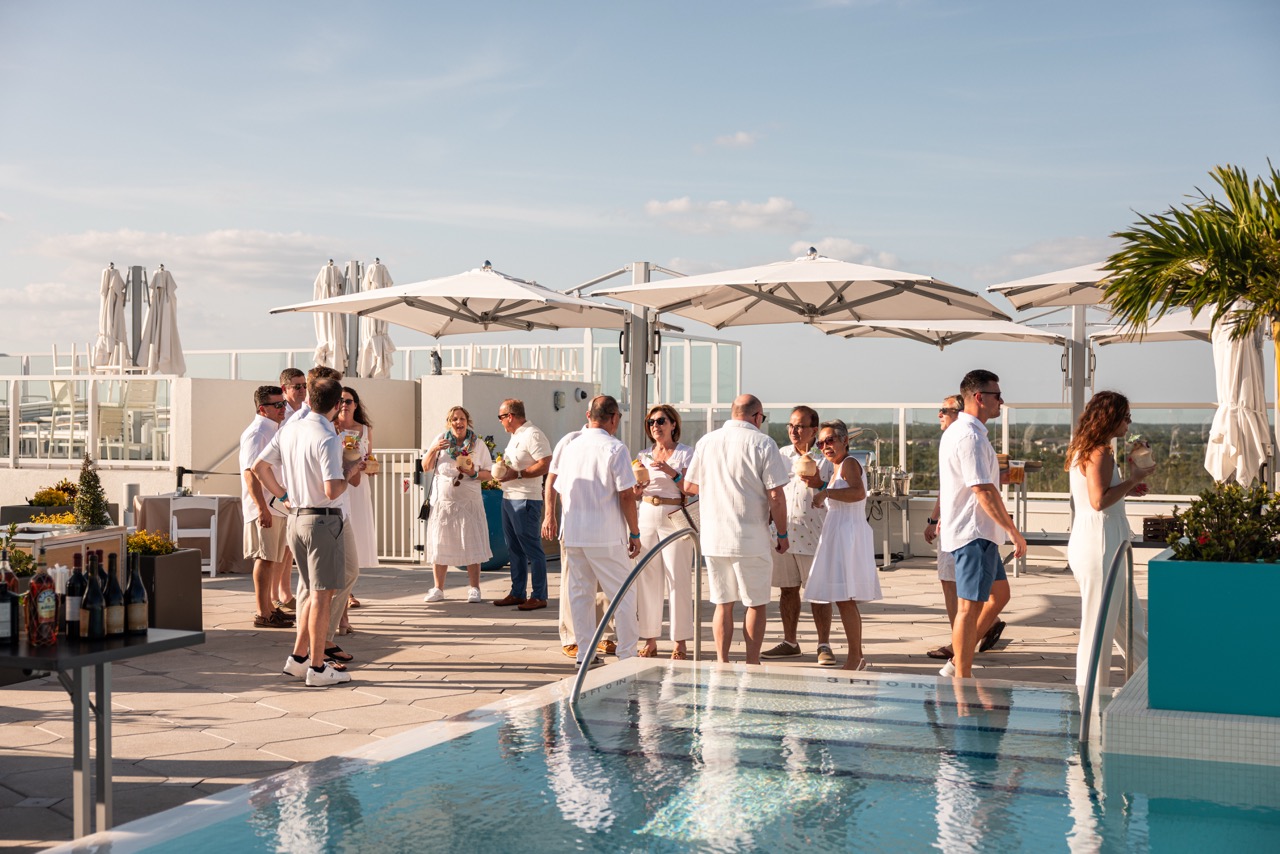
Holly Loulan, Executive Producer at Access, reflects on SXSW and the power of immersive, tactile experiences that invite people to look up, stay present, and get curious.

When people think of SXSW, technology is often one of the first things that comes to mind. Innovation. Screens. AI. The next big thing.
And yes, the technology was there if you went searching for it. But that was not what stood out to me most.
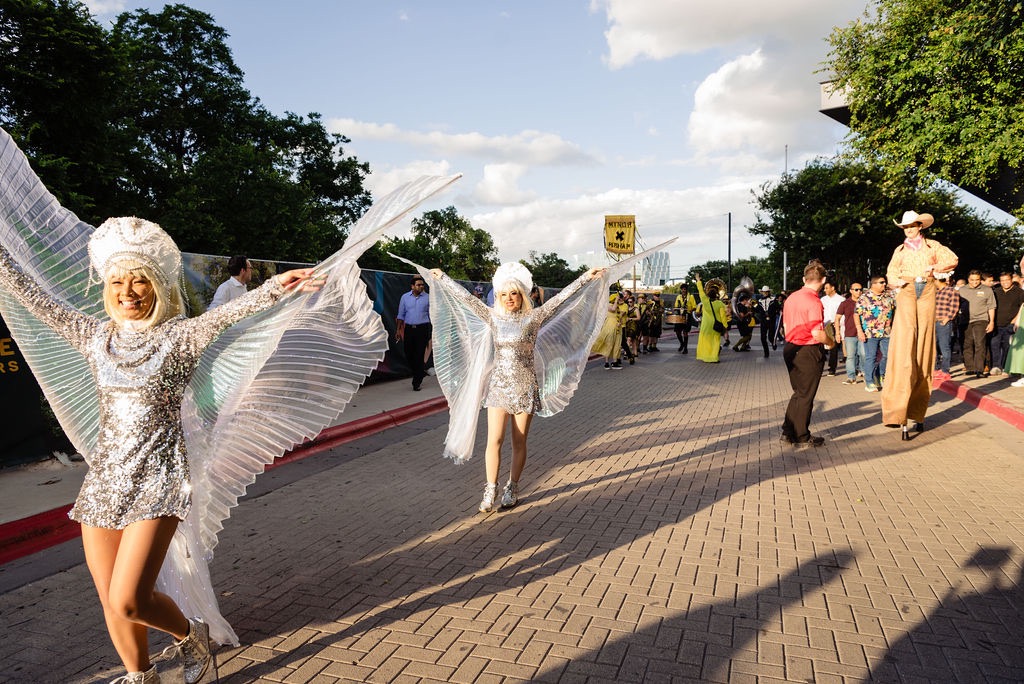
What I took away from SXSW was something much more tactile, visual, and unexpectedly human. It was the feeling of walking through a city that had been transformed in ways that made you look up, pay attention, and wonder what was waiting around the corner. It was joyful. It was immersive. It was curious in the best possible way.
And honestly, curiosity may have been the most powerful experience design tool I saw.
It can be hard to stay present during anything these days. Meetings, movies, even driving. We are all constantly pulled toward the next notification, the next message, the next thing asking for our attention. Putting your phone away and simply taking in your surroundings is something many of us are a little out of practice doing.
But SXSW had a way of making presence feel natural.
There was something captivating about the street closures and the freedom they created. Suddenly, you were not just moving from one destination to another. You were exploring. You were walking with your eyes up, trying to figure out what was part of the city and what had been created just for that moment.
Is that always here?
Is this a permanent installation?
Or is it designed so well that it only feels like it has always belonged?
That question alone was enough to keep you engaged.
As event professionals, we talk a lot about immersion. We talk about brand activations, guest journeys, touchpoints, and surprise moments. But at SXSW, what resonated with me was how many experiences did not immediately reveal themselves. You could not always see what was inside. You did not know what the takeaway would be, what the room would look like, or whether the experience would be “worth it.”
And still, people waited.
I will be the first to say that I am not usually someone who waits in line for a giveaway. I do not need a free tote bag to carry more free things. I especially do not want to wait 25 minutes only to be handed a branded keychain.
But an experience? A beautifully built space? A moment that feels like it might surprise me?
That is different.
The most compelling activations were the ones that created just enough mystery to pull people in. They did not lead with the giveaway. They led with the possibility of discovery. And that changed the energy entirely. Suddenly, the line was not just a line. It was anticipation. It was a shared curiosity. It was a group of people collectively wondering, “What is in there?”
That is a powerful reminder for anyone designing experiences.
The most memorable moments are not always the loudest, most expensive, or most technologically advanced. Sometimes they are the ones that make people pause. The ones that invite participation without giving everything away. The ones that create a sense of wonder before the guest even steps inside.
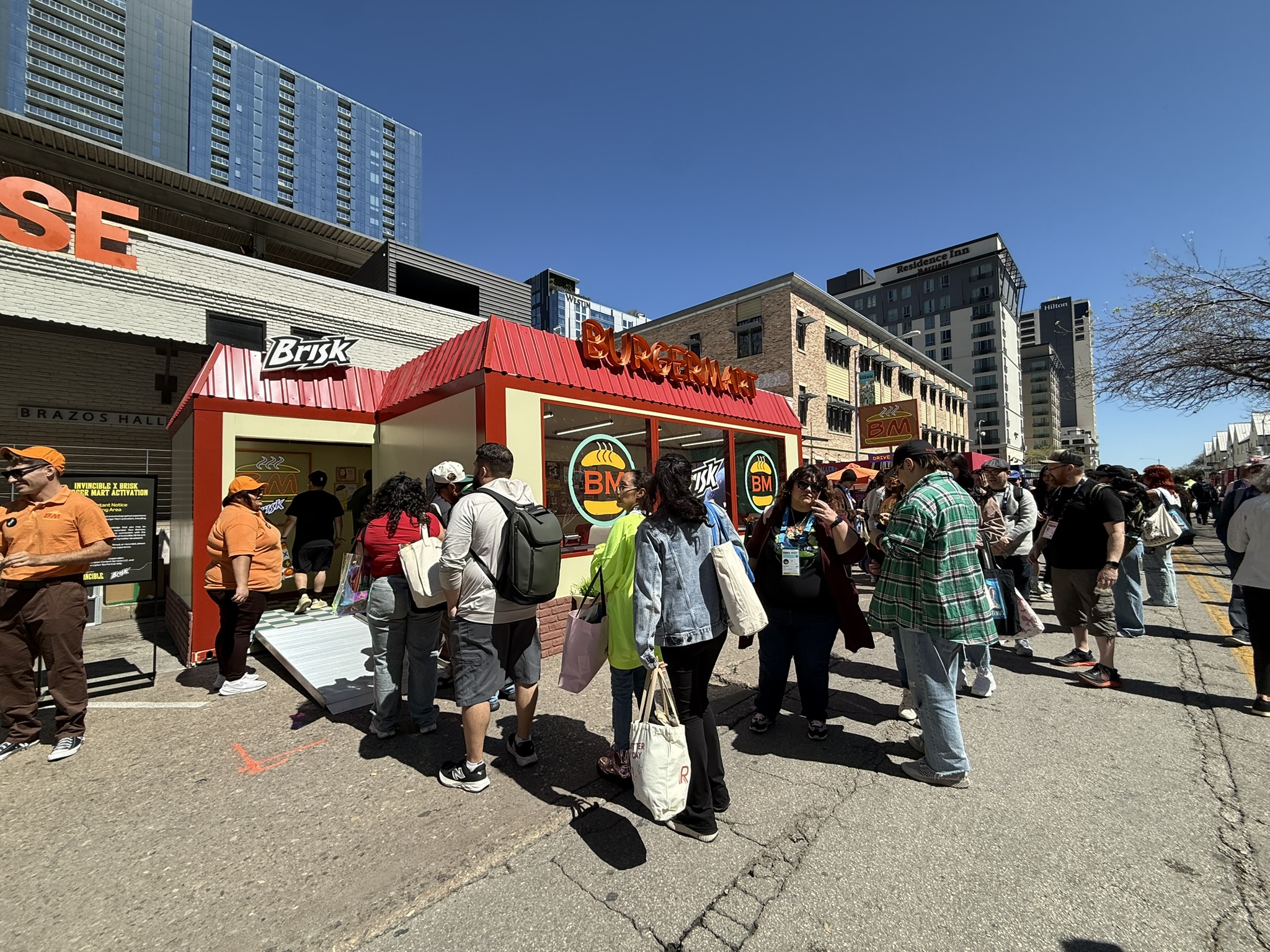
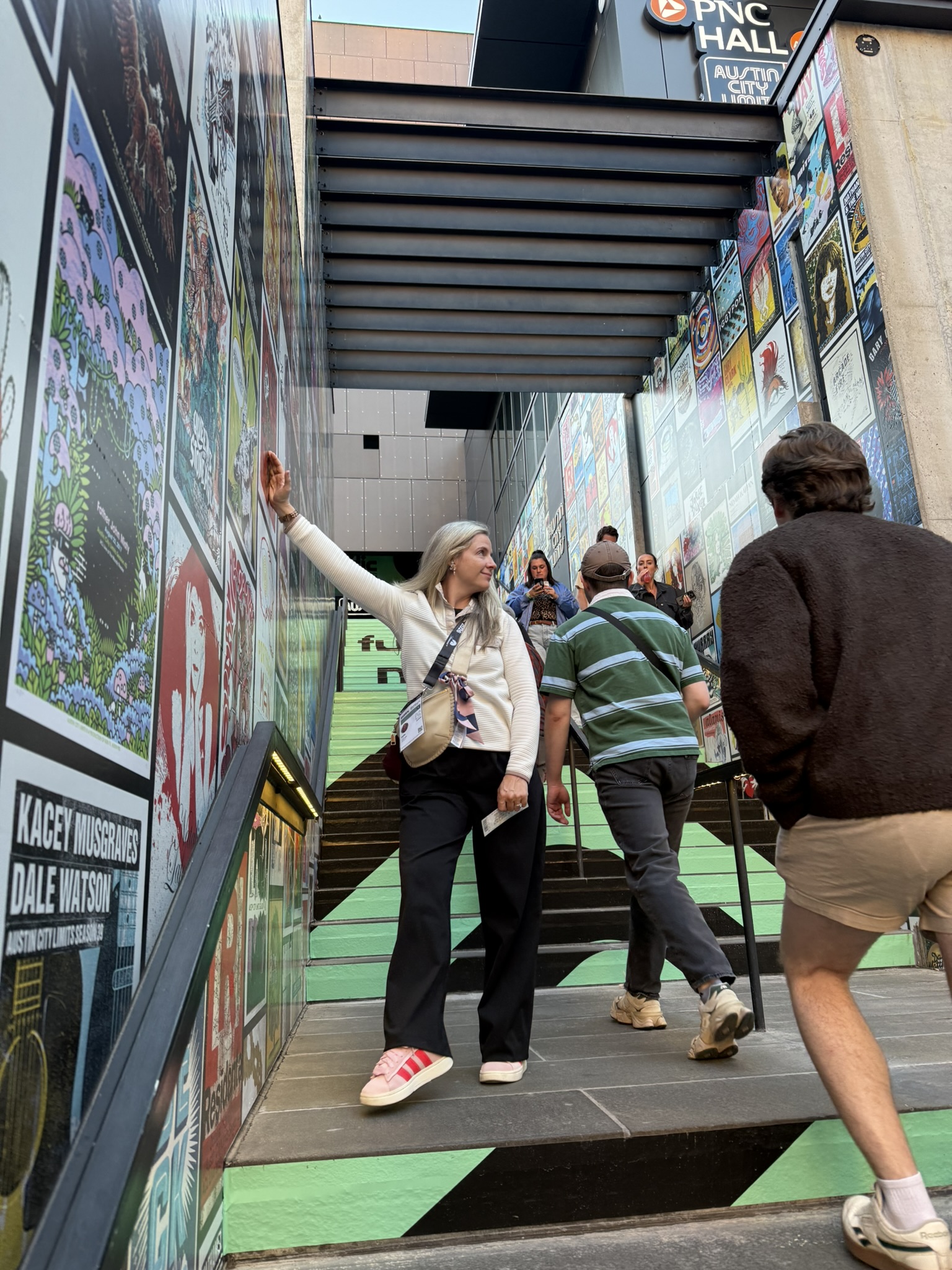
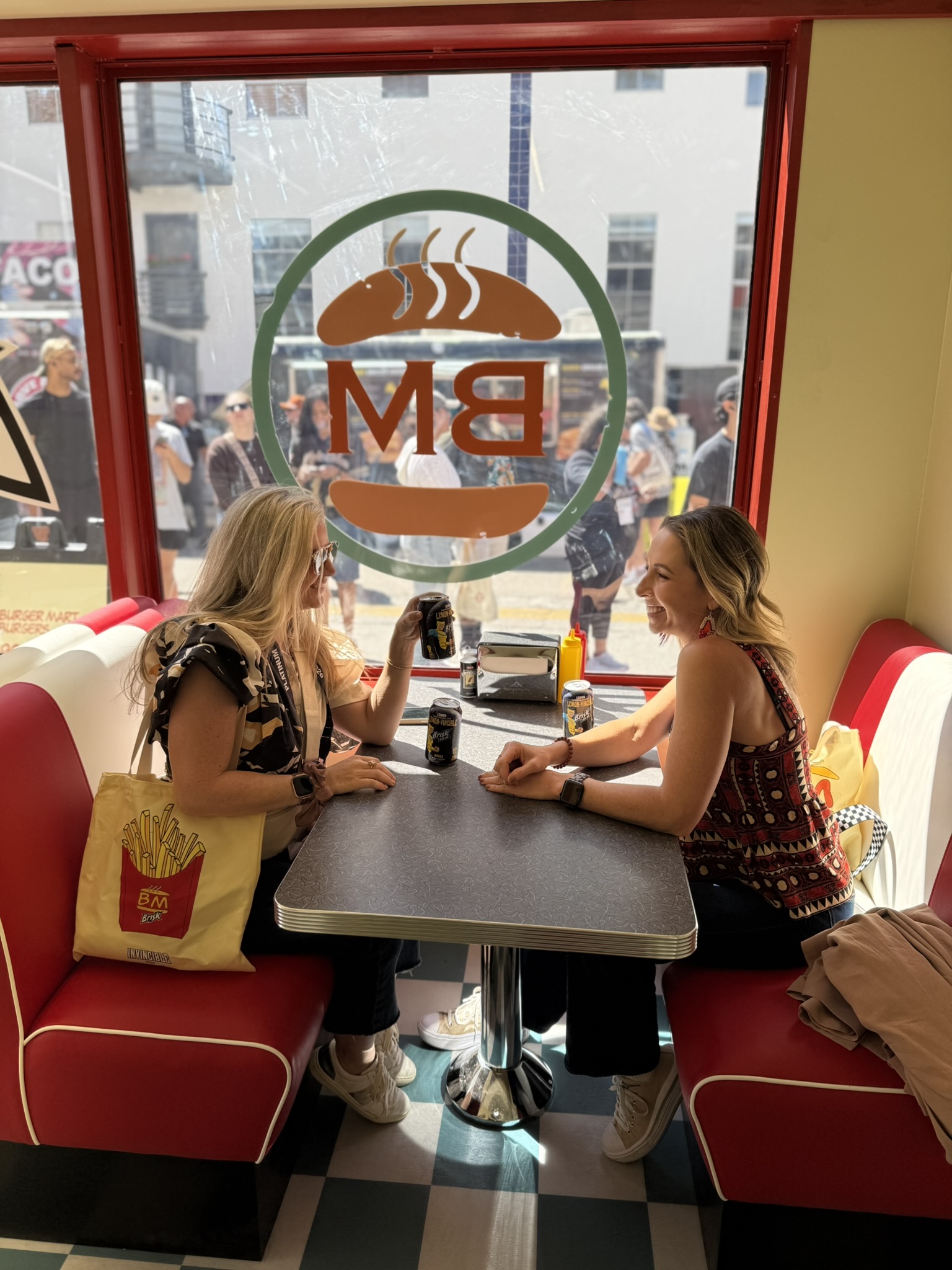
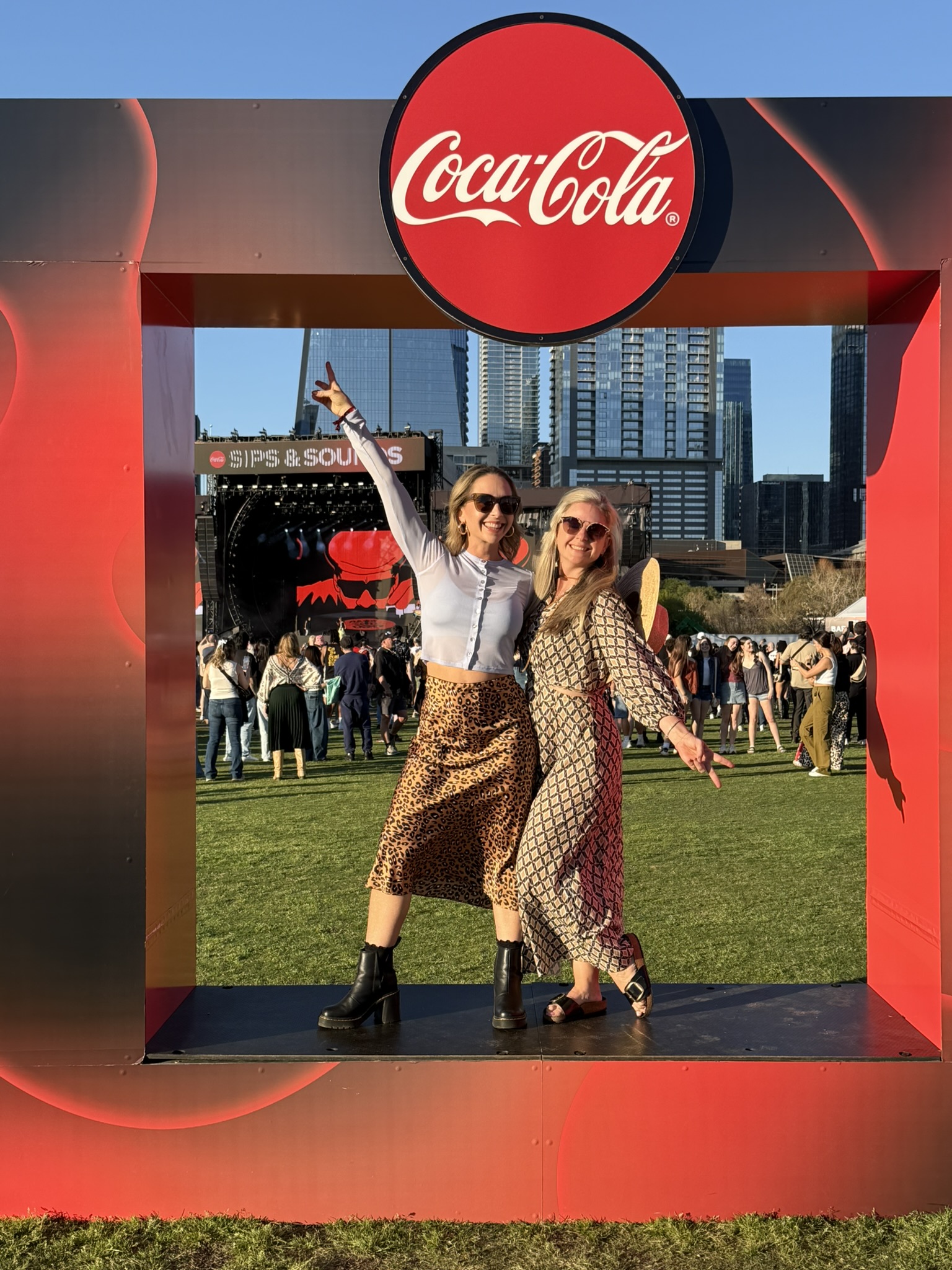
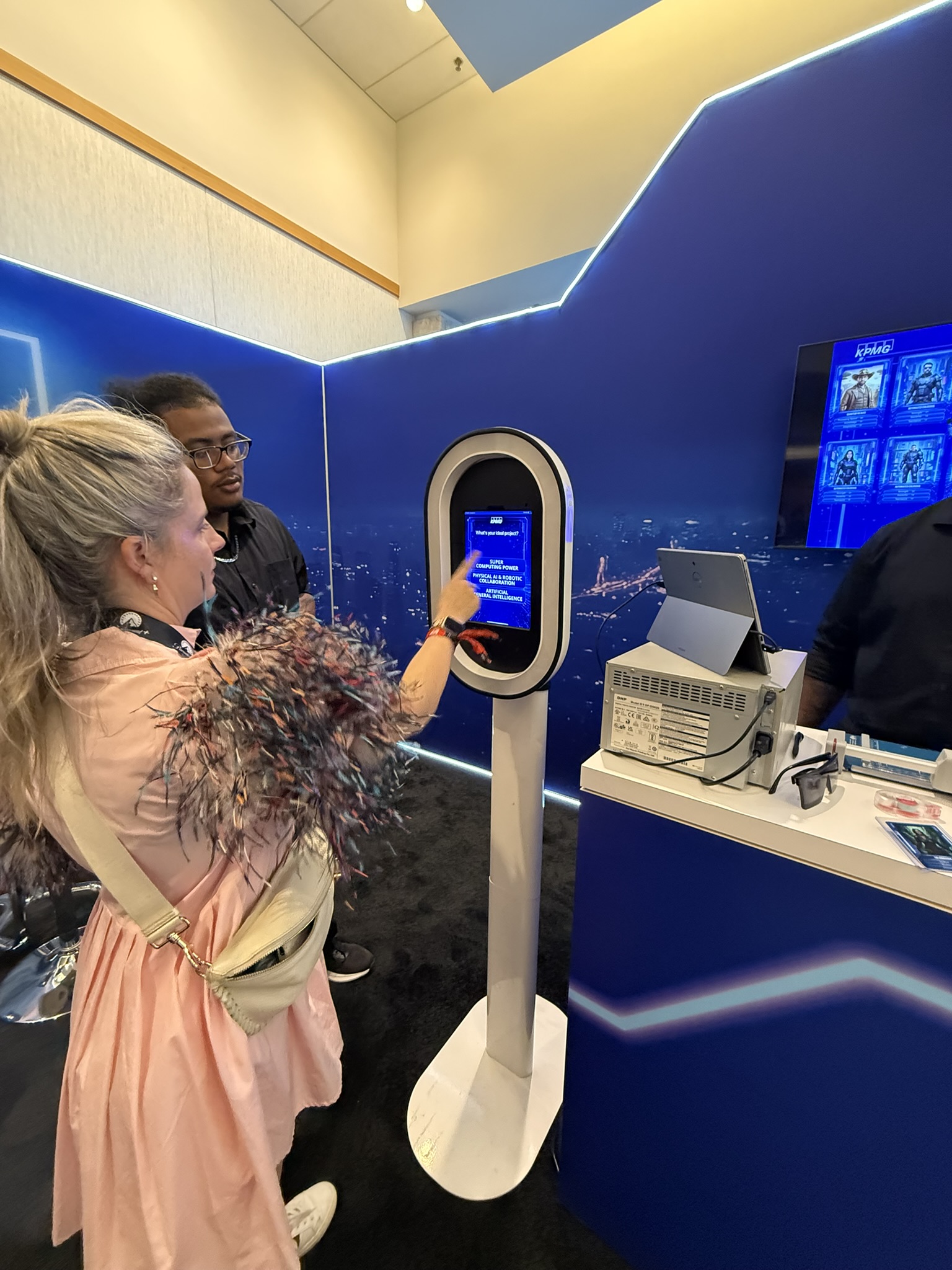
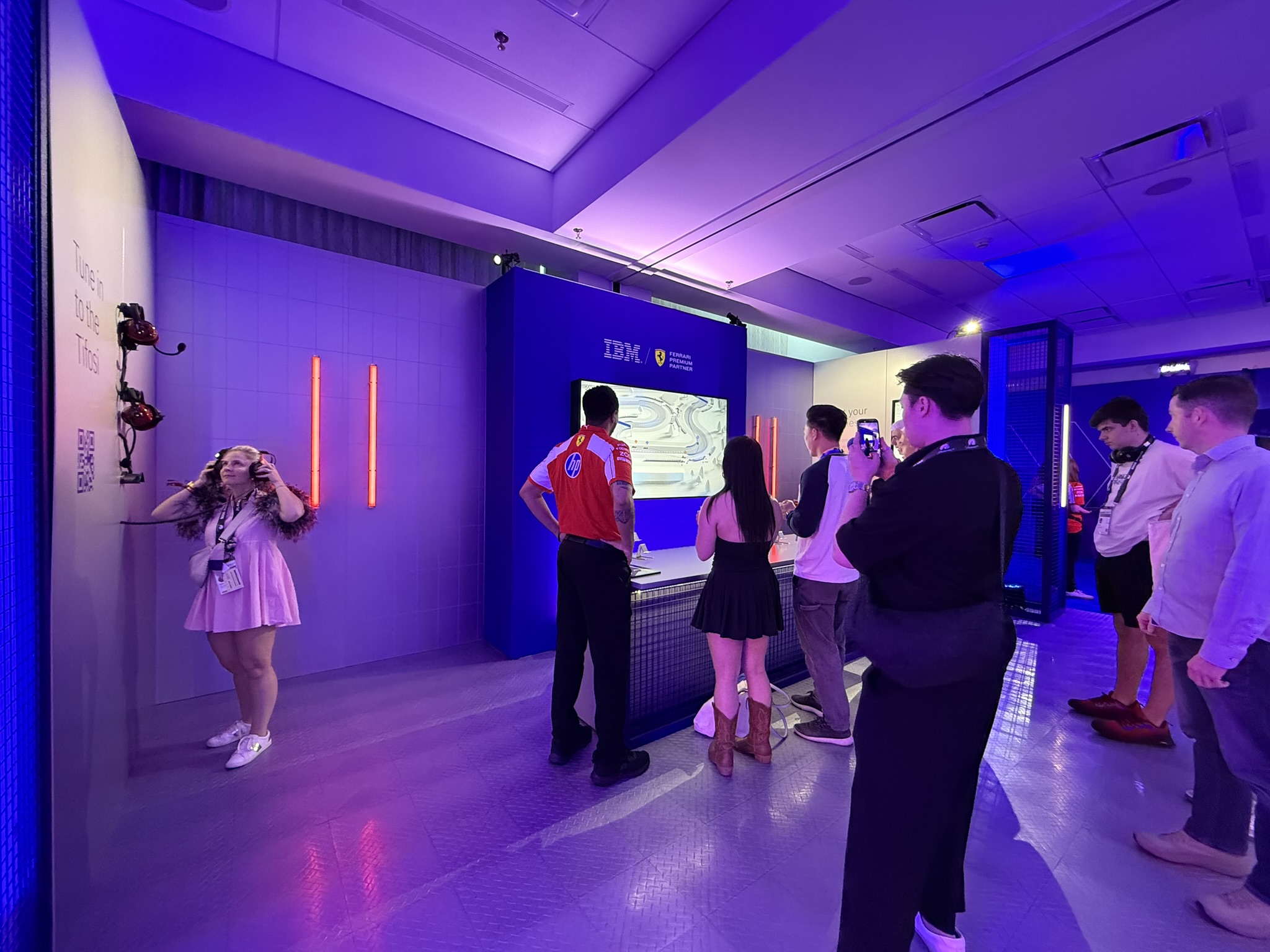
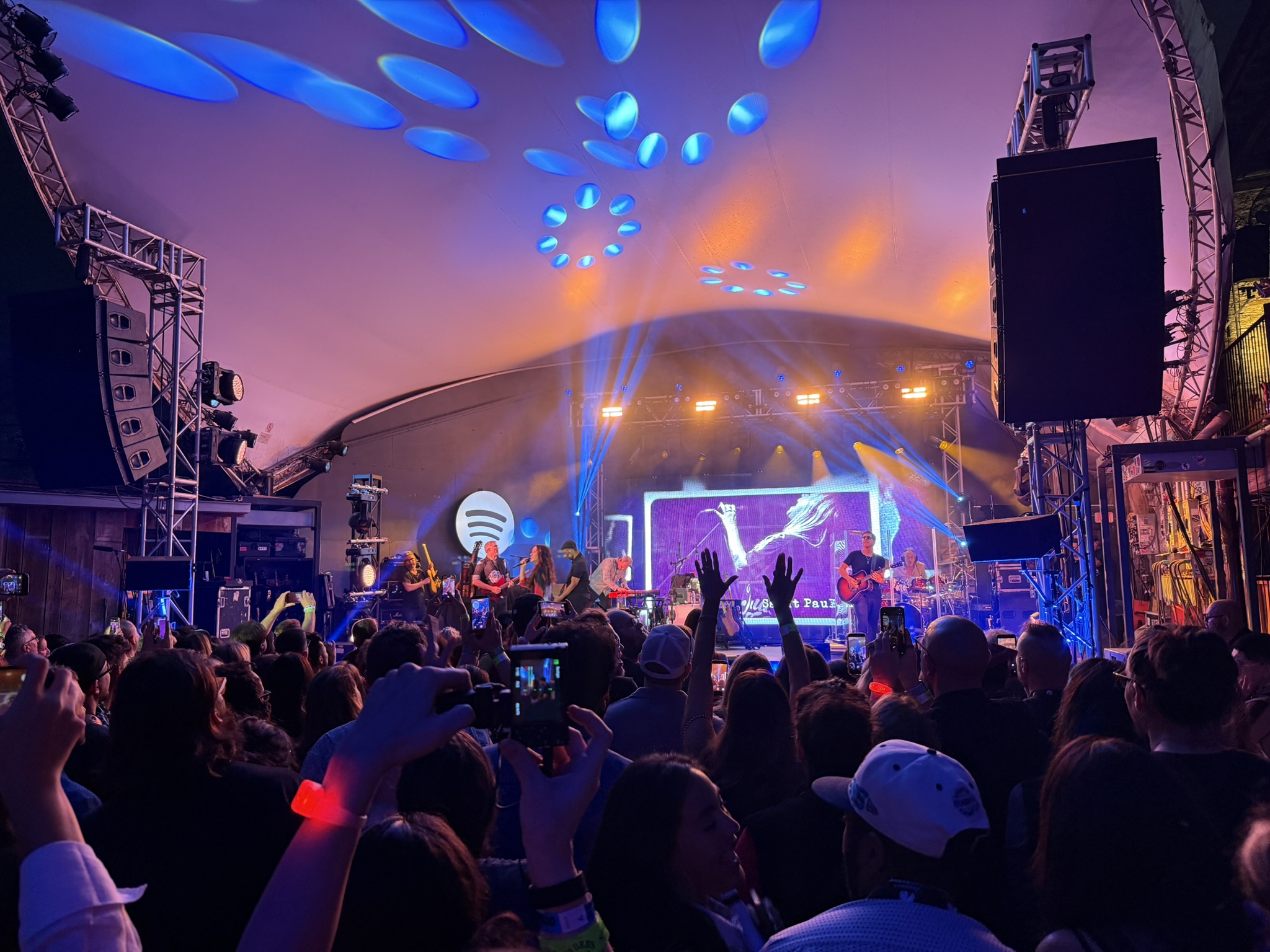
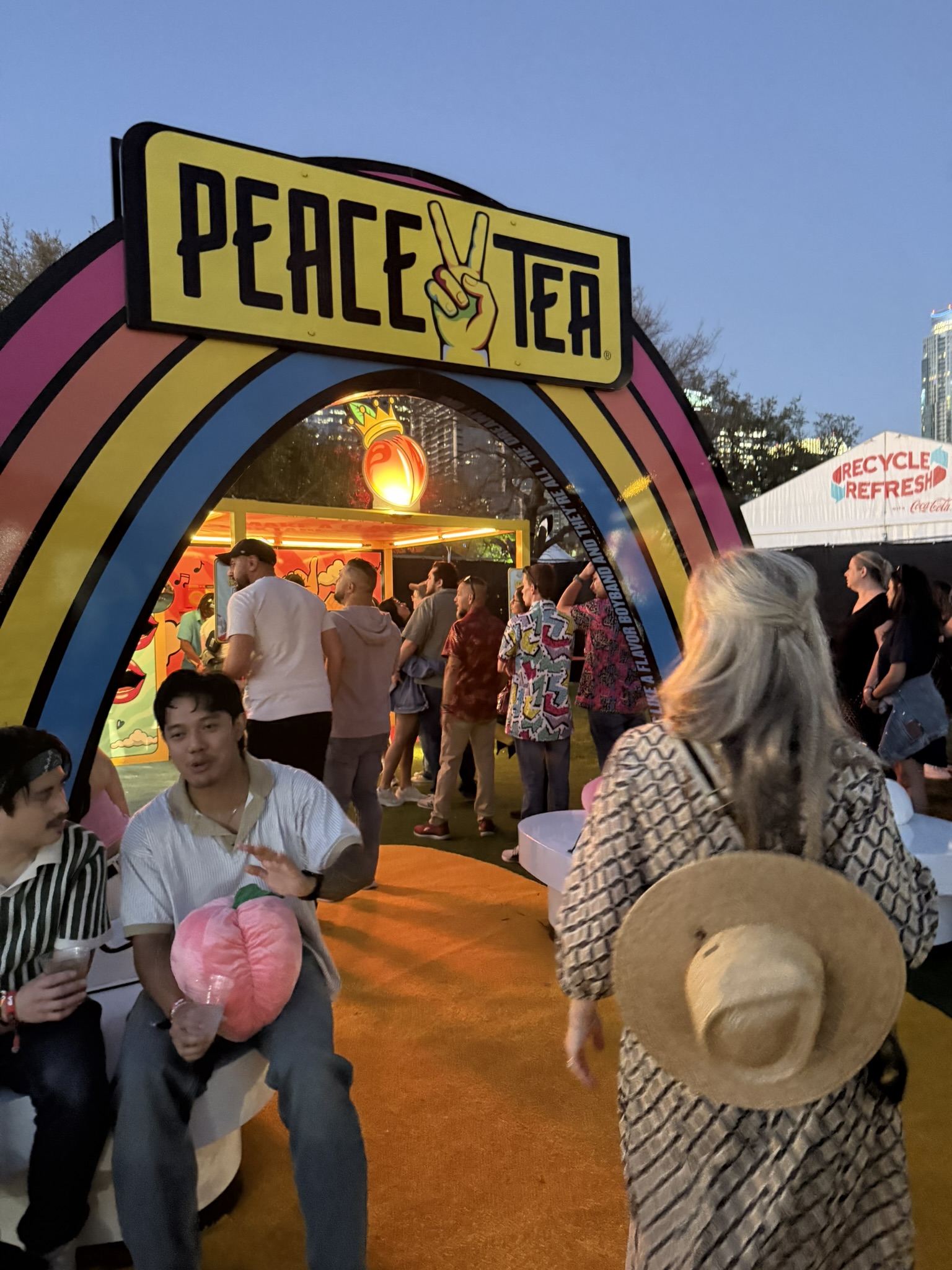
SXSW reminded me that great experience design does not have to compete for attention in the obvious ways. It can earn attention by making people feel present. By creating environments that are visual, tactile, and intentional. By giving guests something to uncover instead of something to simply receive.
Technology will continue to shape the future of events, and there is no question that it has a place. But the real opportunity is not just in using technology because it is new or buzzy. It is in designing moments that make people feel something.
Curious. Joyful. Present. Connected.
At its best, an experience does not just show people something. It makes them want to keep looking.









.png)